
Residential Gutter Materials Compared: Aluminum, Steel, Copper, and Vinyl
Residential gutter materials compared: aluminum, steel, copper, and vinyl help homeowners choose the best options, and local contractors can expertly install the right system for their home.
Understanding the differences between residential gutter materials-such as aluminum, steel, copper, and vinyl-is an important step for property owners considering gutter installation or replacement. Each material offers unique advantages and considerations, impacting durability, appearance, and long-term performance. Property owners in the area often explore this topic to make informed decisions that best suit their home's style and their maintenance preferences, especially since gutters play a vital role in protecting the property from water damage. Local contractors who specialize in residential gutter installation can provide valuable insights and help determine which material aligns with the specific needs of each home.
As property owners delve into residential gutter materials compared: aluminum, steel, copper, and vinyl-they'll find that factors like weather resistance, aesthetic appeal, and ease of installation vary significantly. Choosing the right material can enhance a home's curb appeal while ensuring lasting protection against the elements. Local service providers experienced in gutter installation are well-equipped to assist with selecting the most suitable material and ensuring a proper, professional setup. Keep reading to discover the key differences between these common materials and how local experts can help bring the best gutter solution to life for your home.
- Residential gutters installation - homeowners considering different materials may seek local contractors to ensure proper fitting and seamless integration with their home’s exterior.
- Aluminum gutter installation - those looking for lightweight, corrosion-resistant options often turn to local service providers experienced in handling aluminum materials.
- Steel gutter installation - for homes requiring durable, high-strength gutters, local pros can provide expert installation of steel systems that withstand harsh weather.
- Copper gutter installation - customers interested in long-lasting, aesthetic options may contact local contractors skilled in working with copper to achieve a refined look.
- Vinyl gutter installation - homeowners seeking affordable, easy-to-install gutters often consult local service providers familiar with vinyl material installation techniques.

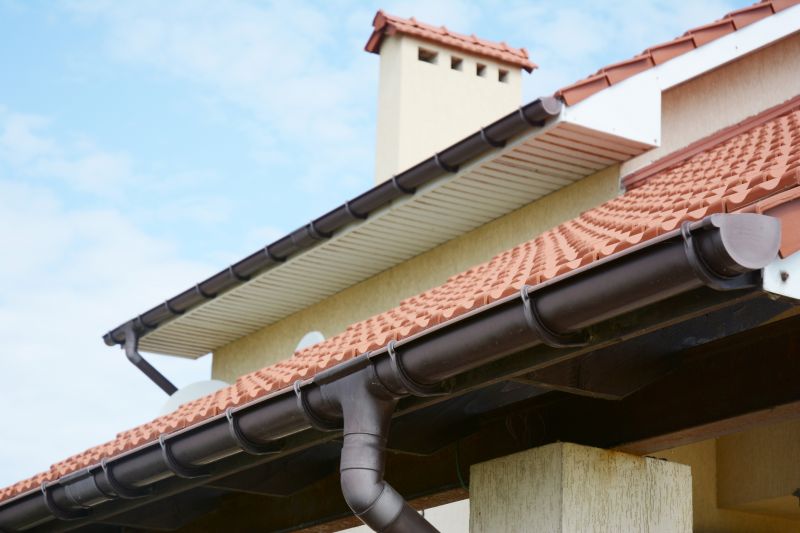
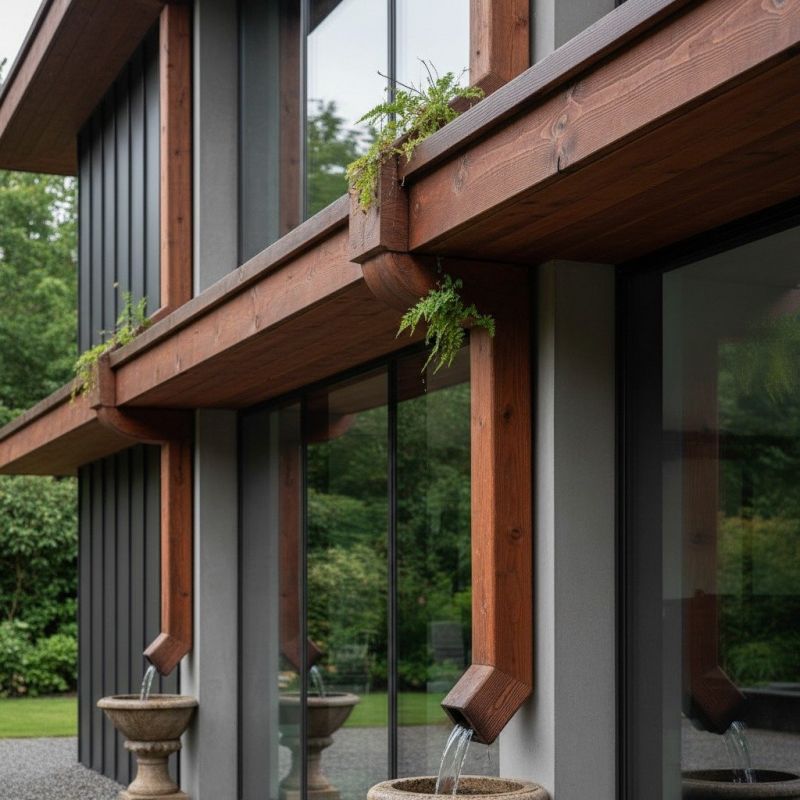
When homeowners search for information about residential gutter materials compared: aluminum, steel, copper, and vinyl, they are usually looking to understand which options best suit their property’s needs. This topic often comes up during planning or renovation projects focused on improving drainage systems, preventing water damage, or enhancing curb appeal. Many property owners want to know about the durability, appearance, and maintenance requirements of different materials to make informed decisions that protect their investment. Additionally, questions about longevity and resistance to weather elements are common, especially for those living in areas prone to heavy rain, snow, or extreme temperatures.
The choice of gutter material is closely linked to specific property concerns and plans. For example, some homeowners may be replacing aging or damaged gutters, while others might be installing new systems to handle increased rainfall or to complement the architectural style of their home. Problems such as leaks, rust, or sagging gutters often prompt a search for the best material options. In some cases, property owners are considering aesthetic upgrades to improve the overall look of their home’s exterior. Local contractors who specialize in residential gutter installation can help evaluate these needs and recommend the most suitable materials based on the property’s location, design, and expected use.
Types of properties that frequently feature in discussions about residential gutter materials include single-family homes, historic houses, and multi-unit residential buildings. Each property type presents unique challenges and considerations. For instance, historic homes may require copper gutters for aesthetic and preservation reasons, while newer suburban houses might prioritize durability and low maintenance with vinyl or aluminum. Commercial or multi-family properties may need larger or more robust gutter systems, making steel a practical choice. Understanding the specific property type helps homeowners and contractors collaborate on selecting the right material that balances function, appearance, and longevity.
Local service providers who specialize in residential gutters play a vital role in translating these material comparisons into real projects. They can assess a property’s specific conditions, such as roof style, climate factors, and aesthetic preferences, to recommend the best gutter material options. These contractors are equipped to handle the installation process, ensuring the chosen gutters are properly fitted and functional. By connecting with skilled local pros, homeowners gain access to expert guidance tailored to their property’s needs, making the process of selecting and installing the right gutter material more straightforward and effective.
Metal fabrication projects - skills in shaping and installing various metal materials are essential for projects involving copper or steel gutters, requiring precise planning and tool use that local contractors can provide.
Home exterior renovation - planning and executing siding or fascia updates often involve similar skills to gutter installation, with local service providers able to handle both tasks efficiently.
Roof flashing and drainage systems - installing or repairing roof flashing shares techniques with gutter material installation, and local pros can coordinate these complementary services.
Custom metalwork projects - creating decorative or functional metal features involves similar planning and fabrication skills as working with copper or steel gutters, which local contractors can deliver.
Vinyl siding installation - understanding the integration of different exterior materials parallels vinyl gutter installation, with local pros experienced in seamless project execution.
Cladding and trim installation - working with exterior cladding shares planning and material handling skills relevant to vinyl and aluminum gutter systems, handled by local contractors skilled in exterior upgrades.
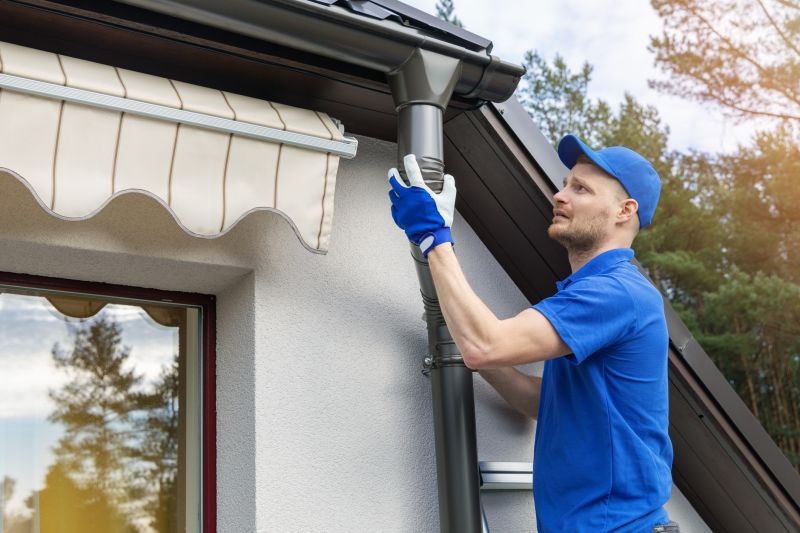
When evaluating residential gutter materials compared: aluminum, steel, copper, and vinyl, it is essential to consider the experience of local contractors with similar projects. Homeowners should inquire about the types of materials the service providers have installed in comparable homes or environments. Contractors with a history of working with various gutter materials can offer insights into the nuances of each, such as durability, maintenance needs, and suitability for specific climates. This experience can help ensure that the chosen material aligns with the homeowner’s expectations and the specific demands of their property.
Clear written expectations are a critical factor when comparing local contractors for residential gutter installation. Homeowners should seek detailed proposals that specify the scope of work, the types of materials to be used, and the projected outcomes. Well-defined expectations help prevent misunderstandings and provide a basis for evaluating whether a contractor's approach aligns with the homeowner’s priorities. Transparent communication about the installation process and material choices ensures that both parties are on the same page from the outset, leading to a smoother project experience.
Reputable references and effective communication are vital when selecting local service providers for residential gutter materials and installation services. Homeowners are encouraged to request references from previous clients who had similar work done, as this can provide insights into the contractor’s reliability and quality of work. Additionally, contractors who communicate clearly and promptly demonstrate professionalism and a commitment to customer satisfaction. Good communication ensures that questions about material options-such as aluminum, steel, copper, or vinyl-are thoroughly addressed, enabling homeowners to make informed decisions that best suit their needs.
Property owners often search for residential gutter materials compared: aluminum, steel, copper, and vinyl when they are planning practical projects around their homes and businesses. Local pros provide Residential Gutters Installation services for everyday jobs and straightforward project options.
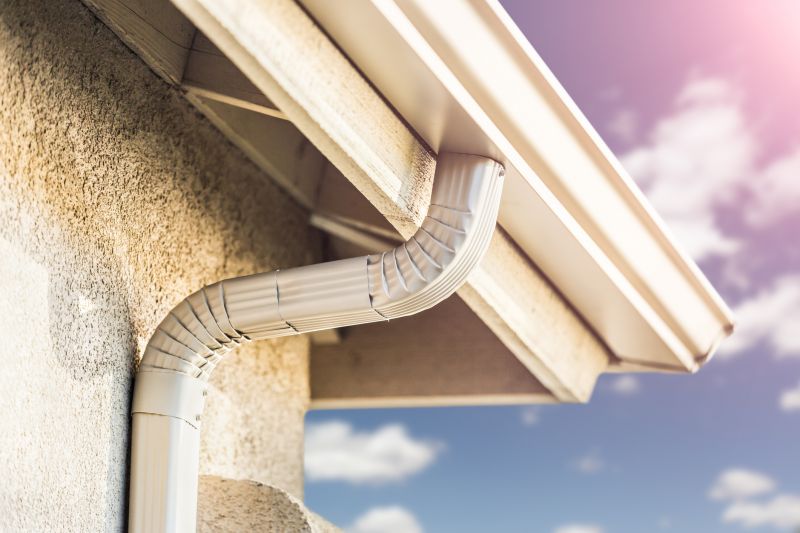
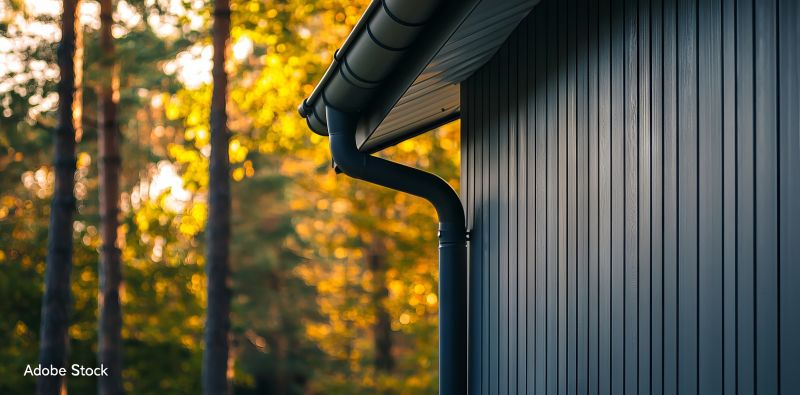
When considering residential gutter materials compared: aluminum, steel, copper, and vinyl, property owners often evaluate factors like durability, appearance, and maintenance needs. For everyday projects, choosing the right material can impact how well gutters withstand local weather conditions and how much effort is required to keep them functioning properly. Local contractors can offer guidance tailored to specific home styles and environments, helping owners select the most suitable option and ensuring professional installation that maximizes the lifespan of the gutters.
Property owners might also look into residential gutter materials compared: aluminum, steel, copper, and vinyl to understand cost differences and aesthetic appeal. For example, aluminum is lightweight and resistant to rust, making it a popular choice for many homes, while copper offers a distinctive look but requires a higher investment. Vinyl gutters are often budget-friendly and easy to install, whereas steel provides strength for areas prone to heavy rain or snow. Connecting with experienced local service providers can help navigate these choices and ensure the gutters are installed correctly to meet the home’s specific needs.
What are the main differences between aluminum, steel, copper, and vinyl gutters? Residential gutter materials compared: aluminum, steel, copper, and vinyl vary in durability, appearance, and maintenance needs. Local contractors can help select the best option based on the home's style and environment.
How does the durability of these gutter materials compare? Aluminum and steel gutters tend to be more durable, with steel offering higher resistance to impact, while copper and vinyl may require more frequent repairs or replacements. Local service providers can advise on the best choice for longevity.
Are there differences in the appearance of gutters made from these materials? Copper gutters develop a distinctive patina over time, offering a unique look, while aluminum and steel come in various finishes. Vinyl gutters are typically available in limited colors but can be a cost-effective option. Local pros can help match styles to the home.
Which gutter material is easier to install for residential projects? Vinyl gutters are generally lighter and easier to handle, making installation simpler, especially for DIY or smaller projects. However, experienced local contractors can efficiently install all types, ensuring proper fit and function.
What maintenance considerations are associated with each gutter material? Aluminum and vinyl gutters require minimal upkeep, while steel may need rust prevention, and copper can develop a patina that may be desirable or need cleaning. Local installation experts can provide guidance on maintenance for each material.
Choosing aluminum gutters can be ideal for property owners seeking lightweight and low-maintenance options, making installation smoother with local contractors. Steel gutter materials offer strength and durability for homes in areas prone to harsh weather, with local service providers able to handle robust installation needs. Copper gutters provide a classic, aesthetic appeal for homeowners interested in long-lasting, decorative features, and local pros can help achieve a refined look. Vinyl gutter options are budget-friendly and easy to install, suitable for DIY projects or quick upgrades with assistance from experienced local contractors.
If you are thinking about residential gutter materials compared: aluminum, steel, copper, and vinyl for a property, this guide is meant to help you understand this topic, the typical project types, and how different options might fit your plans.
When you are ready, you can use the quote form on this page to share a few details about your project. From there, local pros can review the basics and follow up with options that match what you have in mind.